what foods to eat for diarrhea for toddlers
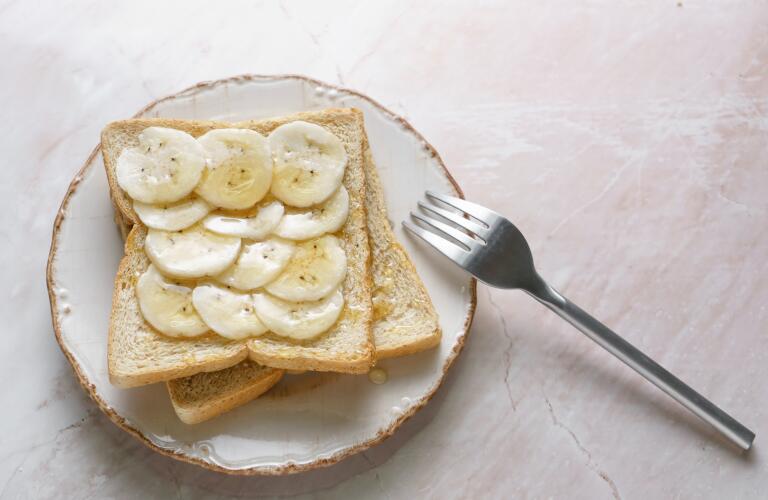
Getty
The Deviling diet—consisting of bananas, rice, absurdity and toast—was created in 1926 to help children recover from bouts of diarrhea, nausea and vomiting caused by stomach influenza (gastroenteritis) or other illnesses. It later on was expanded to include adults. Notwithstanding, many medical experts and organizations, such as the American Academy of Pediatrics and World Health Organisation no longer recommend this nutrition, especially for children. Why the change? And what foods are OK for you and your kid to eat when you're sick with diarrhea and vomiting?
Why the BRAT Diet Fell Out of Favor
The Brat diet has long been recommended by doctors, especially for parents with young children, because its foods are bland and depression in fiber, which is supposed to brand them easier than many other foods to assimilate post-obit gastrointestinal upset. The nutrition likewise helps replace nutrients lost during vomiting and diarrhea, such as potassium, which is found in bananas.
However, the American University of Pediatrics, the World Wellness Organization, the U.S. Centers for Disease Control and Prevention (CDC) and other experts say the diet is not helpful. Their objections primarily employ to its employ in children, for whom diarrhea and vomiting tin can be more than serious than in adults. Many experts recommend adults recovering from breadbasket issues as well choose from a range of foods and not be restricted by those in the Brat diet.
Critics of the BRAT diet say it:
- Has not been proven to work (no large, controlled studies prove it is effective)
- Does non provide enough nutrition (in the grade of fiber, protein and fat) to help patients—especially children—recover, and can event in severe malnutrition if prolonged.
- May prolong symptoms, make diarrhea worse, and filibuster recovery
- Does non emphasize what people—particularly infants and children—virtually need during gastroenteritis recovery: fluids, which are critical to prevent dehydration, a potentially serious complexity.
The CDC says, for children, withholding food for 24 hours or longer is inappropriate, while "early feeding decreases changes in abdominal permeability caused by infection, reduces disease duration and improves nutritional outcomes." The CDC calls the Deviling diet "unnecessarily restrictive" and says it provides "suboptimal nutrition for the patient's nourishment and recovering gut."
If people use this nutrition, they should not practice then for more 24 to 48 hours, experts say. It also should not exist used if there are indications of more than serious illness, such as fever, hurting or fatigue, which require medical attention. Foods like rice are "binding" and can slow downwards intestinal activity. This may not exist appropriate for certain medical weather, such as an inflammatory condition in the intestines or food allergies, both of which tin can cause symptoms of gastroenteritis.
BRAT Nutrition Alternatives: What to Eat and Potable Instead
Some experts recommend a nutrition that includes the iv Deviling diet foods, but adds a variety of other bland foods. For instance, the International Foundation for Gastrointestinal Disorders suggests calculation potatoes, noodles, yogurt, cream of wheat, some fruits and vegetables, and small amounts of peanut butter to increase food content and electrolytes.
Others say you can resume virtually foods in a normal, healthy diet, one time vomiting has subsided.
Most experts agree—for both children and adults—to only offer fluids until airsickness has ended. Accept fluids in small amounts at first (such equally with a water-dropper rather than a bottle or cup for very young children or infants, or minor sips from a cup for older children and adults), to ensure the fluids don't event in more vomiting or diarrhea.
However, some differences exist in recommended diets for adults vs. children. Offer a kid food appropriate for their age; include many of the foods they get as part of their normal, counterbalanced diet. You can offering these inside 24 hours of getting sick.
Infants and children
Foods and drinks recommended for infants and children include:
- Drinks that comprise electrolytes, such as PediaLyte, CeraLyte or Enfalyte, which can rehydrate children. Rehydration to prevent electrolyte imbalance is the peak priority.
- Watered-down fruit juice, broth, Clot-O, and popsicles
- Bland foods, such every bit bananas, crackers, skinless chicken, pasta, and rice cereal, in pocket-size pieces
- Bananas, watermelon and applesauce, which are hands digested fruits
- Cooked vegetables, including carrots, green beans, mushrooms, beets and others
- Cooked eggs, baked or broiled beefiness, pork, chicken, fish or turkey
- Potatoes, white bread, white rice, pancakes and waffles made from white flour, foam of wheat, and oatmeal, to provide easily-digested carbs
- Low-fat dairy, such every bit milk, cheese or yogurt, so long as these items don't cause gas, bloating or additional diarrhea
Foods and drinks to avoid for infants and children:
- Total-strength fruit juices, especially apple juice, which can make diarrhea worse
- Obviously water, which isn't absorbed well by many children and doesn't supersede lost electrolytes
- Sugary drinks, such equally many sports drinks, sodas, and Jell-O water
- Processed or other sugar-laden treats
- Full-fat dairy products like whole milk and ice cream
- Fruits and vegetables that crusade gas, including broccoli, peppers, beans, peas, berries, prunes, chickpeas, green leafy vegetables, and corn
- Fatty foods, which can be hard to digest. Withal, the CDC argues that some fat can have a benign effect on the intestines.
- Foods or drinks containing caffeine; also, no carbonated drinks
- Foods with skins and seeds (remove before serving)
Yogurt sometimes is on the recommended foods list, especially types with probiotics. Notwithstanding, the American Gastrological Clan recently brash against giving children probiotics during recovery from gastroenteritis, saying in that location is not enough evidence for probiotic effectiveness. At that place have not been plenty U.S. studies to back up recommending probiotics for most gastrointestinal problems, including gastroenteritis, either in children or adults.
In add-on to nutrient and liquids, some parents may consider giving their child antidiarrheal medicine. Notwithstanding, experts say yous should never try this type of diarrhea treatment without first consulting your child'southward physician.
Adults
Foods and drinks recommended for adults include:
- Ice chips to suck on (non chew) during early stages of affliction; then, sips of h2o, clear soda, articulate broths and not-caffeinated sports drinks
- Chicken soup
- Solids, such as soda crackers, pretzels, toast, gelatin, oatmeal, bananas, rice, boiled or baked potatoes (peeled offset), and chicken (skin removed). Some experts recommend sticking with white rice and staff of life over whole-grain, loftier-fiber foods, which they say can aggravate diarrhea.
- Lean proteins, carbs, vegetables and fruits, as suggested above for children, are okay for adults besides.
- Fruit-flavored gelatin or ice pops, cakes, cookies or sherbet
Foods adults should avert until feeling amend:
- Dairy products, if they seem to brand your diarrhea worse or cause gas and bloating
- Caffeine
- Booze
- Fat foods
- Spicy or highly seasoned foods
- Fruits and vegetables that can crusade gas (the aforementioned list equally for children)
If your or your child'due south symptoms don't ameliorate, consult with your dr. or other healthcare provider. Alert signs of a more serious trouble include high fever (102 degrees F or college), persistent airsickness (more than ii days), diarrhea (more than seven days in an adult, but more than 24 hours in a child), signs of dehydration (such as defoliation, lack of tears, and lack of urination), and severe abdominal hurting.
Always consult your healthcare provider about diarrhea or vomiting in a child less than 6 months of age.
Source: https://www.healthgrades.com/right-care/digestive-health/brat-diet-for-diarrhea-nausea-and-vomiting
0 Response to "what foods to eat for diarrhea for toddlers"
Post a Comment